
Pool Fencing Requirements and Safety Considerations
Whether you have a swimming pool in your residential or commercial property, you can’t avoid the pool fencing requirements in Nevada. Owning a pool is a serious responsibility, and you can prevent any accidental risks and be on the safe side by installing a quality fence around it. But installing a fence isn’t enough; it must also comply with all Nevada state pool safety regulations.
So, what are those requirements, and how can you take care of everyone’s safety around your pool? In this blog, we’ll walk you through pool fencing requirements, safety considerations, and when to call a professional fence installation service to make sure your pool area is both secure and attractive.
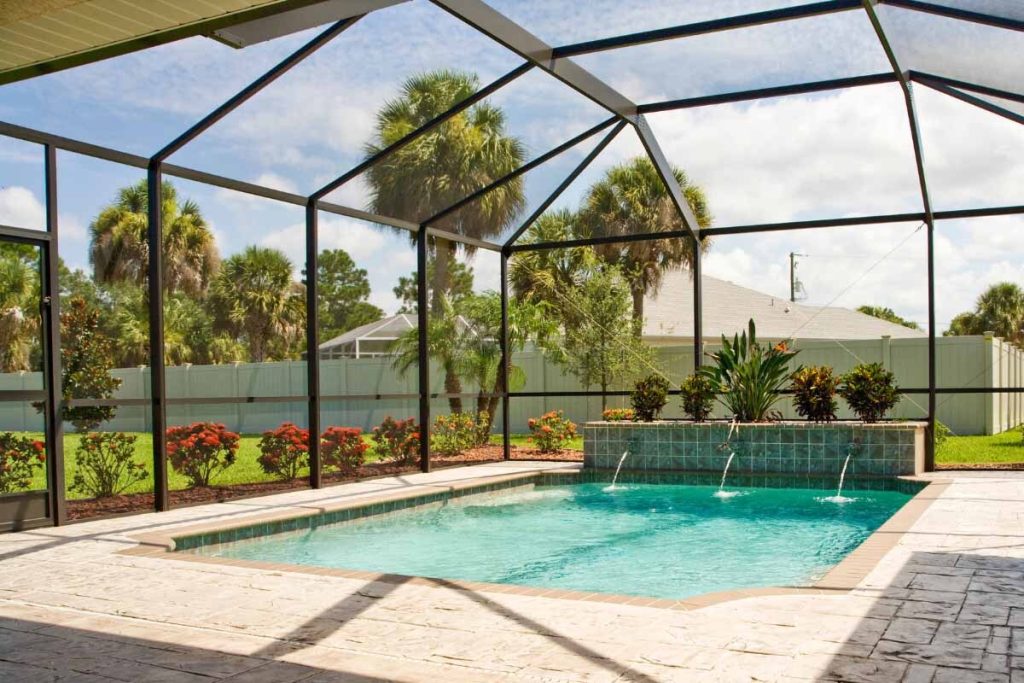
Why Is Pool Fencing So Important?
In Nevada, where summers are hot and backyard pool parties are common, your pool fence is the first thing that helps keep everyone safe. Installing a fence around your pool is necessary for various reasons.
- A secure fence keeps children and pets from entering the pool area without supervision.
- Most cities and counties require residential pools to have protective fencing.
- If someone gets injured inside your property due to an unfenced pool, you could face legal issues.
- When you know your pool area is secure, you can relax and enjoy your outdoor space.
Understanding Nevada’s Pool Fence Safety Requirements
In this section, we’ll explain the legal guidelines for pool owners in Nevada in simple language.
1. Enclose the Pool Area
Maintain a complete barrier around the pool area. It could be a fence, a wall, part of a building structure, or another approved enclosure.
The main purpose is that no one should be able to walk directly into the pool area without passing through a controlled entry point. Also, the pool enclosure should not be used as a regular walkway.
2. Children Shouldn’t Be Able to Climb the Barrier
The fence is not only to mark the pool boundary. It should be designed to keep small children out. Make sure there are no exterior handholds or footholds that can help children climb up.
3. Minimum Fence Height Requirements
- If the pool is in multi-unit properties, like apartments, condominiums, hotels, or trailer parks, the recommended fence height is at least 5 feet tall.
- For other properties, including most residential pools, the fence height must be at least 6 feet tall.
If your existing fence is shorter than this, you must contact a professional fence repair service in Reno to modify or extend it.
4. Spacing Between Fence and the Bottom Gap
Any vertical members in the fence or openings at the bottom of the barrier should not be more than 4 inches. This applies to all types of fence designs.
5. Safety Rules for Pool Gates
Any gate or door that leads into the pool area must include safety features.
- There should be a self-closing mechanism so the gate shuts automatically
- Add a self-latching lock that secures the gate when it closes
- The latch must be placed at least 3½ feet above the ground so children cannot reach it
- The gate should also close and latch properly from any open position.
- Blocking the gate open or disabling the latch is not allowed.
Pool owners or operators should inspect gates and doors regularly.
6. Some Properties May Have Special Exceptions
Some large facilities, such as resorts with 24-hour security monitoring, may qualify for limited exceptions to some fencing rules. However, this usually applies only to properties with continuous professional supervision of the pool area. For most residential properties, a secure physical barrier is always required.
7. Older Pools May Need Alternative Safety Procedures
In older buildings, it can sometimes be hard to meet all modern pool fencing rules because of structural limitations. In such cases, the property owner may need to provide alternative safety measures to local authorities to prevent children from entering the pool area without any adult supervision.
However, in many situations, upgrading the barrier with the help of a professional fence installation service is the safest and most practical solution.
Simple Do’s and Don’ts for Pool Fence Safety
Many locals follow all the safety considerations guided by the law, but they often fail to follow common safety habits. Let’s find out what you should do and what you should not do to secure your pool area.
| Do’s | Don’ts |
| Choose strong fence materials like aluminum, mesh, or metal that can handle weather and long-term use. | Don’t ignore rust, loose posts, or damaged fence sections. |
| Check the fence and gate every few months to make sure everything still works properly. | Never leave chairs, pool toys, or storage items close to the fence where someone could climb over. |
| Keep a clear view of the pool area from the house whenever possible. | Never leave the pool gate open when the pool is not in use. |
| Hire experienced fence contractors for installation so the fence is secure and meets safety standards. | Don’t delay fixing damaged fence panels or broken gates. |
| Make sure family members understand that the pool gate should always stay closed. | Don’t ignore fence safety and only focus on how the fence looks. |
Frequently Asked Questions About Pool Fencing
My Pool Is Above-Ground. Do I Still Need a Fence?
If the walls of your above-ground pool are at least 48 inches high, they may act as the barrier. However, the ladder or steps must be secured with a self-latching gate or be able to be locked/removed when not in use.
How Much Does Pool Fence Installation Cost in Reno?
The cost depends on factors like the fence material used, the size of your pool area, and the length of fencing needed. A professional fence company in Reno can inspect your property and provide a clear estimate, including help with permits and proper installation.
Can a Pool Fence Increase My Property’s Value?
Yes. A well-designed pool fence can improve both safety and curb appeal, which may make the property more attractive to potential buyers when you wish to sell it.
How Often Should a Pool Fence Be Inspected?
You must contact a trusted fence service to check your pool fence at least once a year or after major weather events. Fence professionals will look for loose posts, damaged panels, or gate problems that may require repairs.
Takeaway
Installing a pool fence helps avoid any accidents around the pool. In Nevada, the government has provided a set of instructions regarding fences and gates for the pool. If your area doesn’t provide any such legal instructions, you can still follow them to improve safety.
Always contact experienced fence contractors who can install a top-quality pool fencing that not only looks modern and fits the aesthetics of your property but also serves as a strong safety net.
Upgrade Your Pool Safety with Expert Fence Installation in Reno – Contact Artistic Fence Co.
If you haven’t yet installed a fence around your pool, or if your fence is very old and damaged, it’s time to contact Artistic Fence Co., the most trusted fence contractors in Reno.
We’ve been serving the entire Northern Nevada with our quality fence installation and repairs for over 60 years. Our team is familiar with the local codes and pool safety regulations. Whether you need a brand-new fence installation service or a quick, reliable fence repair service in Reno, we’re ready to help you.
We make sure that your pool is completely secured with a solid fence, and you don’t have to face any legal complications because of a failing fence.
Call us at 775-786-6002 for a quick inspection and let us protect your pool area with code-compliant fencing.